
Safari Incentive Trips: The Ultimate President's Club Reward
Why an African safari sits at the very top of the incentive spectrum — and how to plan one for your best performers.
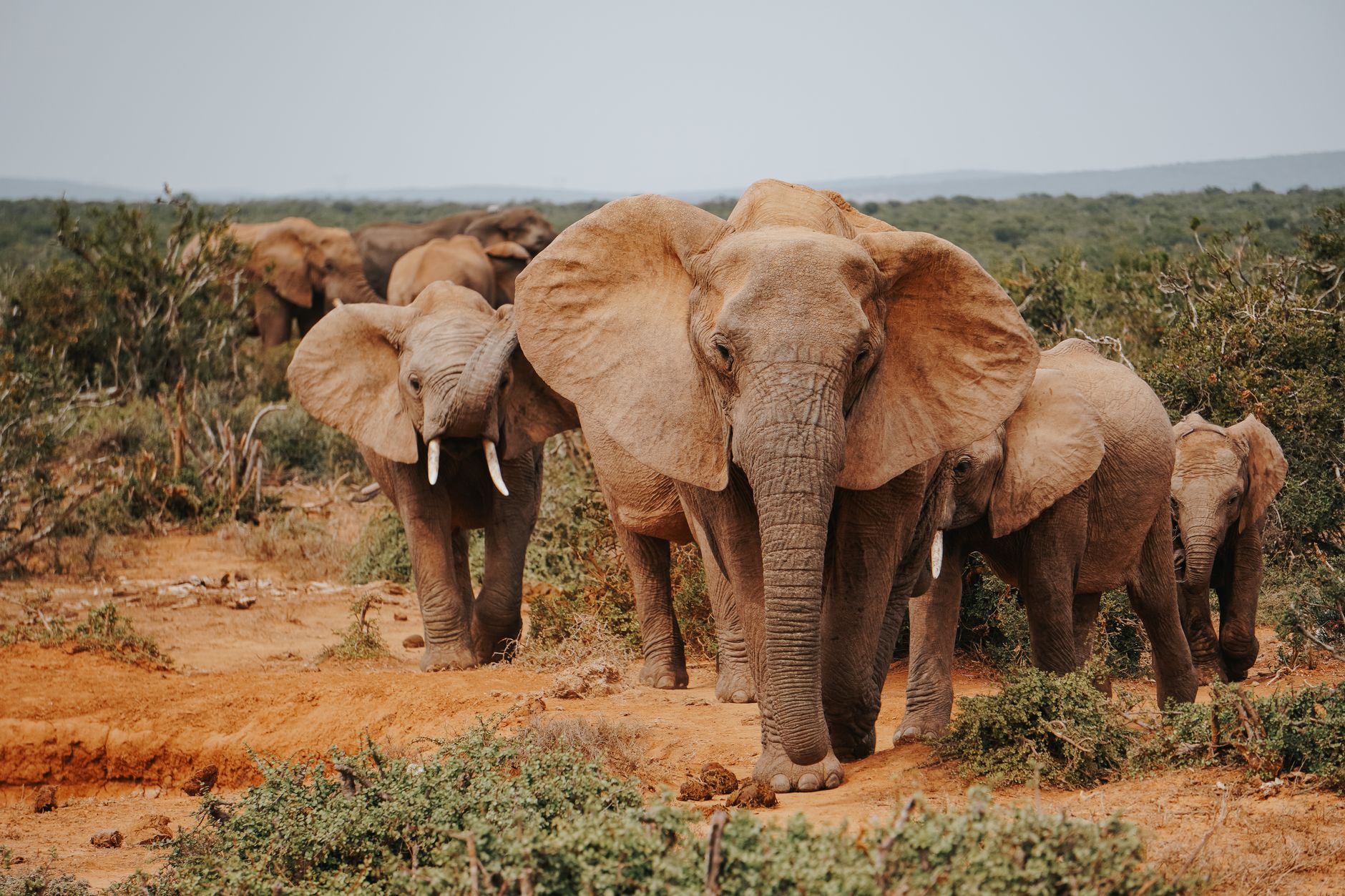
Most President's Club rewards are built to impress. A safari is built to change someone. That's the difference — and the reason it belongs at the top of your incentive spectrum, not the middle.
Planners who've run the beach resorts, the Mediterranean cruises, and the Napa buyouts eventually hit a ceiling: the reward gets bigger but stops meaning more. A safari resets that. It isn't a nicer version of a trip your top performers have already taken — it's a category they've never touched, doing something they'll describe for the rest of their careers. Not luxury. Transformation they can't stop talking about.
This guide folds two of the strongest safari incentive destinations into one story: Kenya's Maasai Mara for the Great Migration, and Rwanda — accessed through Kigali — for mountain gorilla trekking. Different experiences, same ceiling. Both are small-group, high-touch, and built for the people who earned the very best you have.
The Incentive Case
Ask any planner what makes a reward stick and it comes down to three things: it has to be once-in-a-lifetime, story-worthy, and — increasingly — aligned with what the company says it stands for. A safari hits all three like almost nothing else.
Once-in-a-lifetime is literal here. Your winners book plenty of vacations on their own dime. They will not book a private conservancy in the Mara or a gorilla permit in Volcanoes National Park — the logistics, the cost, the planning sit outside what most people organize for themselves. When the company makes it happen, it lands as a genuine gift, not a nicer hotel.
Story-worthy takes care of itself. Nobody comes home neutral. The migration river crossing, the first morning a silverback holds eye contact ten feet away — these become the anecdotes your top performers tell at every kickoff for years. Earned-media value inside your own sales org.
The conservation angle is the part most planners underrate. In both destinations, tourism directly funds wildlife protection and local communities — gorilla permits underwrite the park system that brought the mountain gorilla back from the edge, and Mara conservancy fees pay landowners to keep habitat wild instead of fenced. If leadership talks about purpose or impact, this reward makes it concrete.
Maasai Mara, Kenya
The Maasai Mara is the Kenyan side of the greater Mara-Serengeti ecosystem, and the stage for the Great Migration — millions of wildebeest and zebra moving in a vast seasonal loop, with the dramatic Mara River crossings as the headline moment. For a group reward, it's the most cinematic wildlife spectacle on earth.
The move for incentive groups is the private conservancies bordering the reserve rather than the reserve itself. They cap vehicle numbers, allow off-road viewing and night drives the public reserve doesn't, and keep your group from sharing a crossing with a crowd. You trade a slightly wider footprint for exclusivity and access — the right tradeoff for a top-tier incentive. Accommodation runs to luxury tented camps and conservancy lodges: proper beds, full service, a fire under the stars.
Group size: small and elite. Camps are intimate by design and game drives seat only a handful of guests each — a reward for your top tier, not your whole sales floor. A larger group gets spread across camps and vehicles, which shapes budget and itinerary alike.
Season and access: migration timing is the whole game. The river-crossing drama typically peaks in the mid-year-to-early-fall window, though wildlife and landscape are exceptional year-round, so lock dates early against the crossing season. Arrivals route through Nairobi's Jomo Kenyatta International Airport, then a short light-aircraft hop to airstrips inside the Mara — legs that carry real seat and baggage limits.
Rwanda & Kigali
Rwanda is the other end of the safari spectrum — not plains and predators, but the misted volcanic slopes of Volcanoes National Park, where you trek on foot to spend time with a habituated family of wild mountain gorillas. It is, by wide agreement, one of the most moving hours a person can spend with wildlife anywhere.
It's also the strongest purpose story in this category. Rwanda has staked its national identity on conservation and renewal, and reads as clean, safe, and remarkably well-run — a comfortable place to bring top performers. Kigali is a modern, walkable capital that bookends the trip well, and the recovery arc — a nation rebuilding around one of the planet's rarest animals — aligns hard with any company selling purpose alongside performance.
Permits: gorilla trekking requires a permit, the number issued each day is strictly limited, and they must be secured well in advance. This is the single biggest constraint on the trip and the reason lead time is non-negotiable — you build the calendar around them.
Group limits and access: only a small, set number of visitors are allowed with each gorilla family per day, in tight trekking groups, so a larger group has to be split across families and often days — plan around that ceiling from day one. On the upside, Kigali International Airport is well-connected, with the park a scenic drive from the capital: simpler access than most safari destinations.
Planning a Safari Incentive
Everything about this reward pushes toward small and elite. Camp capacity, vehicle seating, and — in Rwanda — hard permit caps all make safari structurally a top-tier reward for your best handful of winners, not a mass qualifier trip. If your program needs to move a hundred-plus people, safari isn't the fit; use it as the pinnacle tier your top performers reach.
Lead times are long. Between permit windows, limited premium camp inventory, and migration timing, this is a book-far-ahead trip — treat it as the better part of a year, often more. Permits and top camps are the bottleneck, so they drive the calendar.
Budget framing: this sits at the top of the incentive spectrum, and it should. Long-haul flights, light-aircraft transfers, premium camps, permits, and low guest-to-guide ratios stack up, so per-person cost runs well above a typical resort incentive — which is what makes it a ceiling reward rather than an upgrade.
Health and entry: real international prep. Check current visa, vaccination, and health requirements for both Kenya and Rwanda well ahead of departure, and build medical and altitude notes into pre-trip communications — especially for the gorilla trek, a genuine hike at elevation.
When it fits: a small top tier, a company that talks about purpose and wants to prove it, and winners who've already done the obvious luxury trips. When it doesn't: large qualifier groups, short runways, or a program where the reward needs to be easy over transformational.
If you're pressure-testing safari against the rest of the field, start with the Destination Index — our live weekly ranking of incentive destinations, updated as demand and inventory shift. Not sure where your program lands? Take the destination quiz and we'll point you to the right tier.
FAQs
How big a group can you realistically bring on a safari incentive?
Small — that's the point. Camp capacity and vehicle seating keep the Mara intimate, and Rwanda's permit caps hard-limit how many can trek per day. Safari is a top-tier reward for your best handful of winners; larger groups get split across camps, families, and dates.
How far ahead do we need to book?
Further than most incentives. Between limited premium camp inventory, migration timing in the Mara, and strictly capped gorilla permits in Rwanda, plan on the better part of a year — often more. Permits and top camps are the bottleneck.
Is a safari incentive safe for a corporate group?
Both are established, well-run safari markets built around high-touch, guided experiences, and Rwanda in particular reads as notably safe and orderly. As with any international incentive, check current government travel guidance and entry and health requirements and build proper pre-trip briefings — but this is a well-worn path for premium groups, not an expedition.