
Park City Incentive Travel: The No-Passport Domestic Reward
The domestic incentive destination that saves a travel day, removes passport risk, and still makes winners feel spoiled.
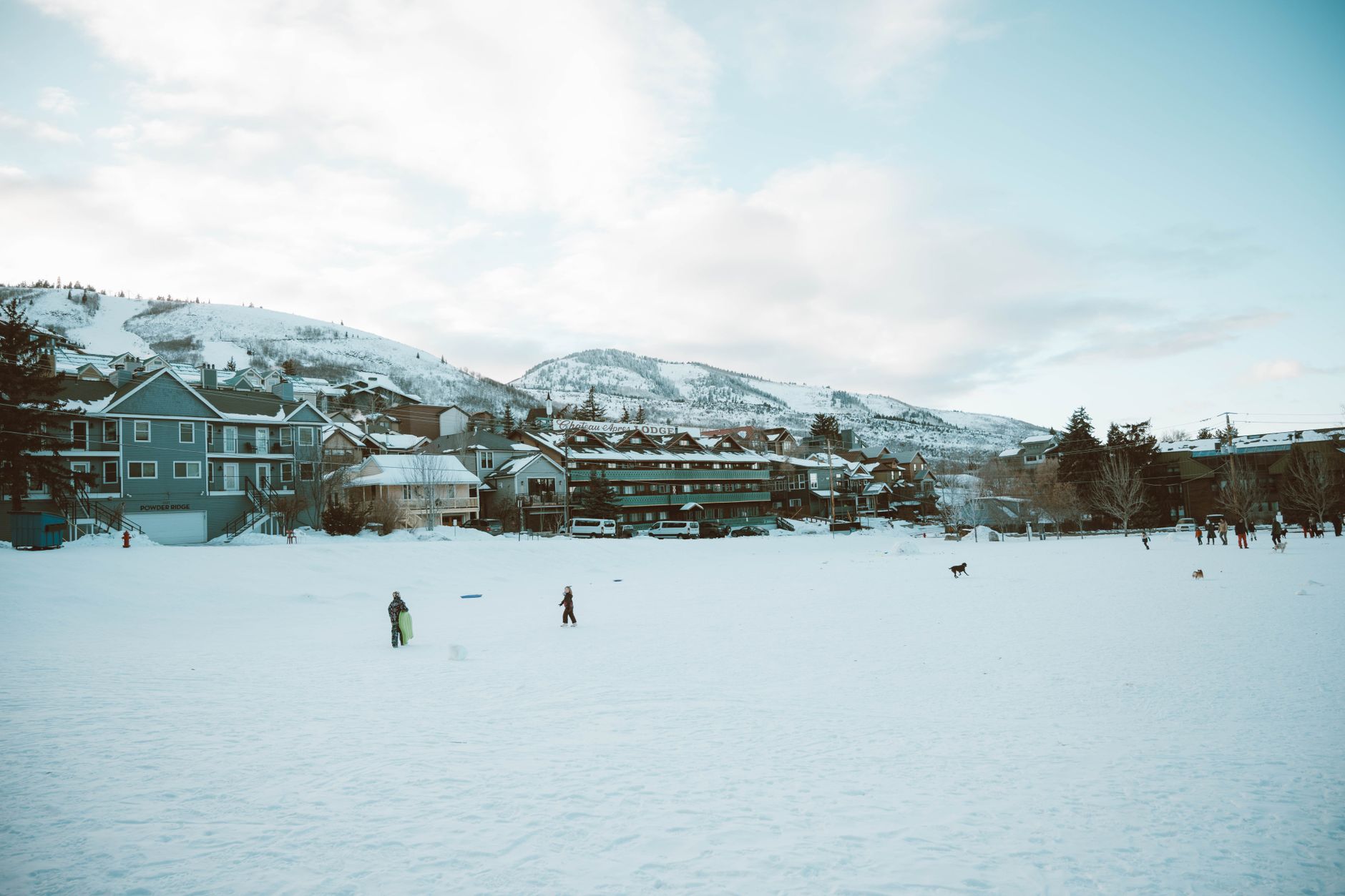
Every planner knows the tension. The incentive winners want to feel rewarded — spoiled, even. Leadership wants the budget controlled and the logistics clean. And somewhere in the middle sits the passport problem: a chunk of your qualifiers don't have current passports, a few won't fly international at all, and the ones who do are staring down connections, customs, and a travel day that eats the first night.
Park City, Utah solves that quietly. It's roughly 35 minutes by ground from Salt Lake City International — one of the shortest airport-to-resort transfers of any premium destination in North America. Winners land, drive up a canyon, and are checking into a mountain resort before an international group would have cleared its second security line. No passports, no customs, no currency — and yet nobody arrives feeling like they got the consolation prize.
The domestic reward that doesn't feel like a compromise
That's the whole play — a reward that reads as an escape without the friction of leaving the country. For a growing number of programs, especially mixed-tenure sales forces where not everyone travels internationally, that's not a downgrade. It's the smarter call, and it works because Park City doesn't feel earned by proximity — it feels earned, period. It's a genuine four-season destination. Winter is the marquee: world-class skiing and the kind of terrain that made this a two-Olympics town. Summer is the underrated incentive window — alpine hiking, mountain biking, golf, and a Main Street that hums with festivals and outdoor dining under long mountain evenings. Shoulder seasons bring lower rates and thinner crowds for programs that can flex their dates.
The properties do real work. Park City and the surrounding Wasatch Back are home to several group-capable luxury properties and ski-in/ski-out resorts, including well-known names at Deer Valley and the Canyons side of Park City Mountain — places that can host a welcome reception, a private dinner, and a general session without the group ever feeling like it's slumming. Then there's Main Street, a walkable historic core of restaurants, galleries, and bars that gives a program its texture. A group can spill out of a dinner and into a distillery tasting or a live-music bar without a bus call.
The incentive case
The story a planner gets to tell leadership afterward writes itself: we didn't have to leave the country to wow them. That sentence closes budgets.
Group logistics
Air access is the headline advantage. Salt Lake City International is a major hub with strong domestic connectivity, so your winners fly in from most U.S. markets on manageable routings — a real edge over a fly-in that forces a connection through a coastal gateway. Ground transfer runs roughly 35 to 45 minutes depending on the resort, and because the drive is so short, a local DMC can arrange coaches or shuttles without the transfer line item ever approaching what a long-haul international program absorbs.
On capacity, Park City comfortably hosts small-to-mid incentive groups, and the larger ski resorts, convention-capable hotels, and the Utah Olympic Park venues extend the ceiling for general sessions and receptions. This is a mountain resort market, though, not a mega-hotel corridor — planners who need a single-property block for a large group should vet room counts and function space property by property, and do it early.
Timing is where planning gets real. Winter delivers the postcard, but it's also peak leisure demand — you're competing with ski vacationers for rooms and rates, and booking windows run long. Summer trades the snow for value, availability, and reliably pleasant weather, and the gap between peak-winter and warm-season pricing is wide enough to reshape a program budget on its own.
One date to circle in red: the Sundance Film Festival, held in late January. During Sundance, Park City room inventory tightens dramatically, rates spike, and Main Street belongs to the festival. Unless your program is deliberately built around it, treat the Sundance window as a blackout for incentive sourcing — and confirm the exact dates for your program year, because they shift annually.
Standout group experiences
The menu here is deep, and most of it is a short drive from anywhere your group is staying:
- Skiing and snowboarding — the anchor winter experience, with terrain for first-timers and experts alike and ski schools built to onboard the nervous half of your group.
- Utah Olympic Park — bobsled rides and team-style adrenaline activities that make for a memorable off-site with a built-in story.
- Main Street — group dinners, gallery strolls, and a bar scene compact enough to keep a group together without a schedule.
- Distillery and tasting experiences — an elevated, adults-only evening that isn't the standard hotel ballroom.
- Deer Valley and Park City Mountain — two major resort footprints for mountaintop dining and slope-side receptions.
- Summer adventure — guided hikes, mountain biking, golf, fly fishing, and hot-air balloon rides over the valley for warm-season programs.
The point isn't the length of the list. It's that a planner can build a three- or four-day arc — arrival reception, one marquee off-site, one Main Street evening, free time that actually delivers — without ever manufacturing filler.
What a planner should know
Winter is a premium, and it books early. If you want the postcard version — snow on the peaks, ski-in/ski-out rooms — you're buying into peak leisure season, and prime winter blocks get committed far in advance, so source well ahead. Programs that can move to summer or shoulder season will find better rates and easier availability.
Budget framing. Park City prices like the premium mountain market it is in winter. It is not a value play against a sun-and-sand all-inclusive on per-person food and beverage, so set leadership's expectations accordingly. What it buys you instead is logistics that save a full travel day and a domestic footprint that removes passport risk entirely.
When it fits: mixed-tenure or passport-inconsistent qualifier pools, programs that want a genuine wow without international friction, winter-loving audiences, and leadership that wants tight travel-day control. When it doesn't: programs whose winners specifically expect a beach-and-boarding-pass international reward, extremely large groups that need single-property mega-blocks, or anyone trying to source into the Sundance window without a reason.
Park City isn't the right answer for every program. But for the planner who needs a domestic destination that still lands as a reward, it's close to the top of the list. See where it stands against the rest of the field on the Destination Index, and if you're weighing it for a specific program, run your parameters through the destination quiz to see where it fits and where it doesn't.
FAQs
Is Park City a realistic destination for a President's Club or top-performer incentive?
Yes. It's an established four-season resort market with group-capable luxury properties, strong domestic air access, and enough marquee experiences to carry a multi-day program. It reads as a genuine reward, not a budget compromise — the main planning variable is season.
When is the best time to run a Park City incentive?
Winter delivers the iconic ski experience but comes with peak pricing, long booking windows, and competition from leisure travelers. Summer and shoulder seasons offer better rates and availability. Avoid the late-January Sundance Film Festival window unless your program is built around it.
How hard are the logistics compared to an international incentive?
Materially easier. Salt Lake City International is about 35 minutes from Park City by ground, with no passports, customs, or currency exchange — which removes the single biggest source of qualifier friction for mixed groups.